Dubai often gets reduced to skyscrapers, malls, and beach clubs. However, some of the city’s most rewarding experiences hide in its quieter corners. If you want to see the real character of the city, the underrated neighborhoods in Dubai deserve a proper look.
These areas rarely trend on social media, yet they hold the culture, food, and history that shaped the city long before the Burj Khalifa existed. Consequently, exploring them gives you a fuller picture of Dubai beyond its glossy postcard image.
This guide walks through eight neighborhoods that locals love but tourists often skip. Additionally, you’ll find practical tips for visiting each one without wasting your time.
Why Look Beyond the Usual Dubai Hotspots?
Most visitors stick to Downtown Dubai, Marina, and Palm Jumeirah. These places are impressive, but they only tell part of the story. Meanwhile, the underrated neighborhoods in Dubai offer authentic streets, affordable food, and fewer crowds.
Furthermore, these areas often reflect the multicultural fabric of the city better than the tourist zones do. As a result, a short detour can completely change how you experience your trip.
1. Al Fahidi Historical Neighbourhood
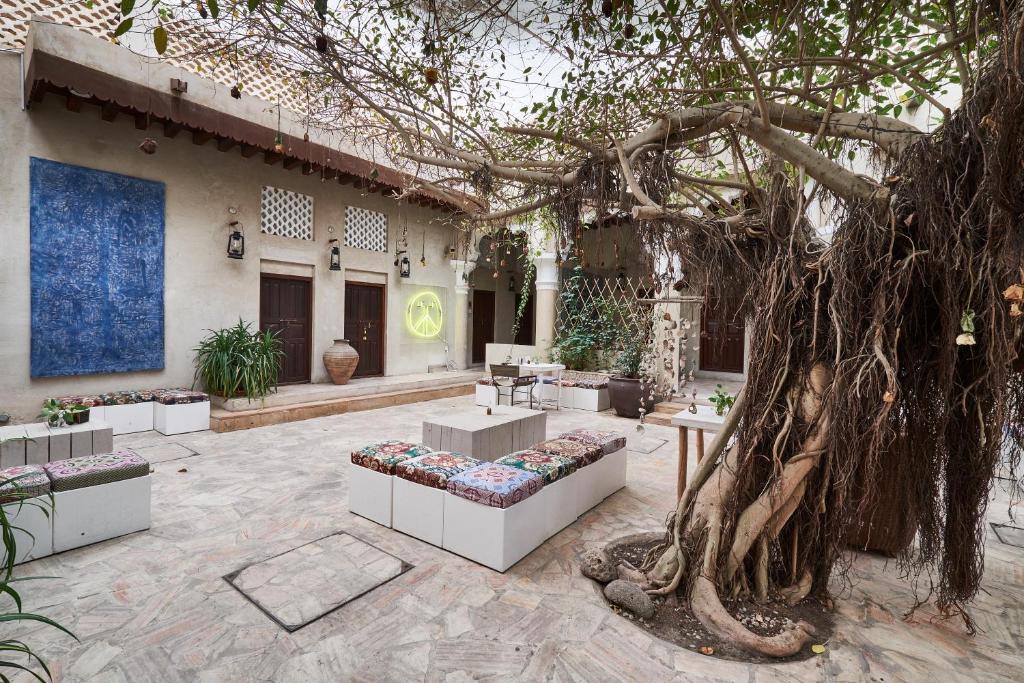
Al Fahidi sits near Dubai Creek and preserves the city’s old wind-tower architecture. Narrow lanes, art galleries, and traditional courtyard houses make this one of the most photogenic spots in the city.
Because it’s compact, you can walk the entire area in under two hours. Also, the Dubai Museum sits right at the entrance, giving useful context before you wander further.
Don’t miss the small coffee houses tucked between the alleys. Similarly, the Coffee Museum nearby offers a quiet stop away from the main tourist path.
2. Al Quoz
Al Quoz started as an industrial zone, yet it quietly became Dubai’s most creative district. Warehouses now house contemporary art galleries, design studios, and independent coffee shops.
Alserkal Avenue anchors the area and hosts rotating exhibitions throughout the year. Therefore, checking their schedule before visiting can help you time your trip around a specific show.
Beyond the galleries, several fitness studios and specialty bakeries have moved in. Consequently, Al Quoz now blends art, food, and wellness in one unexpected pocket of the city.
3. Al Satwa
Al Satwa feels like a slice of old Dubai wedged between newer developments. Tailoring shops, spice stores, and family-run restaurants line its main streets.
Satwa Road is particularly known for affordable South Asian and Middle Eastern food. Additionally, the fabric shops here attract residents looking for custom clothing at reasonable prices.
Because it’s a working-class neighborhood, the energy feels genuine rather than staged for visitors. This makes Al Satwa one of the more grounded underrated neighborhoods in Dubai.
4. Al Seef
Al Seef stretches along Dubai Creek and blends heritage-style architecture with a modern promenade. Traditional buildings sit beside contemporary cafes, creating a pleasant contrast.
Evenings here are especially popular with locals since the waterfront cools down and lights up nicely. Moreover, small boutique shops sell handmade crafts that aren’t as commercial as mall souvenirs.
You can also catch an abra (traditional boat) ride from here across the creek. This adds a simple, low-cost activity to your visit.
5. Al Karama
Al Karama is a shopping and food destination that locals rely on far more than tourists realize. The area is famous for budget-friendly markets and some of the best home-style Indian and Filipino food in the city.
Karama Market draws bargain hunters searching for accessories, souvenirs, and clothing. Meanwhile, the surrounding streets host dozens of small eateries serving generous portions at low prices.
If you enjoy people-watching and street-level energy, Al Karama delivers it without pretension. It remains one of the most underrated neighborhoods in Dubai for food lovers on a budget.
6. Al Warqa
Al Warqa sits further from the city center, which is exactly why it stays under the radar. This residential district feels calm, green, and distinctly local.
Because it’s mostly villas and community parks, families often choose Al Warqa for its quieter pace of life. Additionally, weekend markets pop up occasionally, offering homemade food and handicrafts.
Visitors rarely include Al Warqa in itineraries. Nevertheless, it’s worth a visit if you want to see how everyday residents actually live in Dubai.
7. Jumeirah 1
Jumeirah 1 differs greatly from the beachfront towers people usually picture. Instead, tree-lined streets, independent cafes, and boutique stores define this residential pocket.
Jumeirah Beach Road runs through it and hosts some of the city’s best-loved brunch spots. Furthermore, small bookshops and concept stores make it ideal for a slow, unhurried afternoon.
Because it sits close to the coast, you can easily combine a beach visit with a walk through the neighborhood. This makes Jumeirah 1 a practical stop for first-time visitors.
8. Deira Creek Area
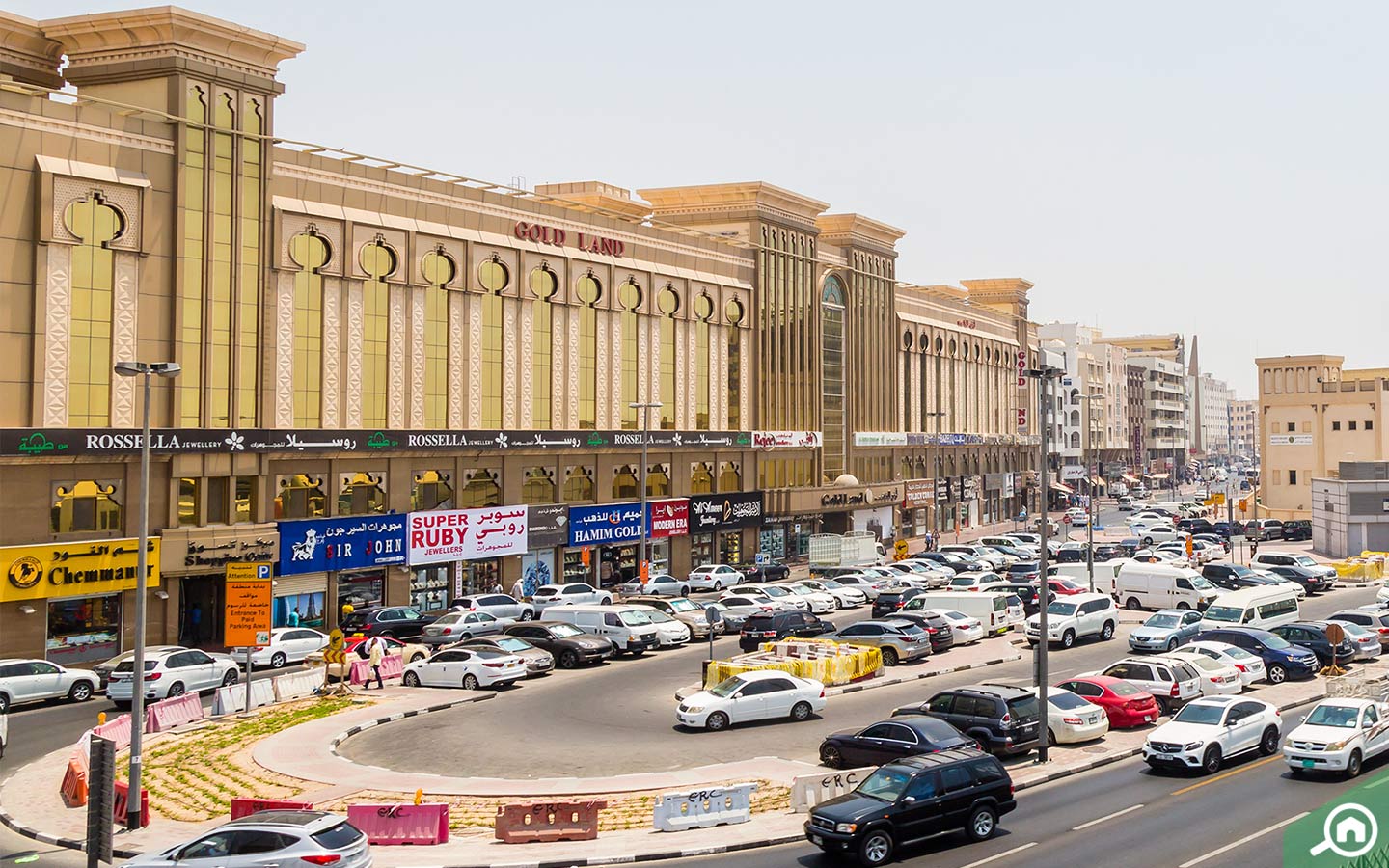
Deira represents old commercial Dubai, built around trade, spice markets, and the gold souk. The creek itself remains busy with wooden dhows loading cargo, much like decades ago.
Spice Souk and Gold Souk sit within walking distance of each other. Therefore, you can experience two very different sensory worlds in a single short walk.
Prices here are often more negotiable than in mall boutiques. Consequently, bargain hunters and photographers both find plenty to enjoy in Deira.
Quick Comparison Table
| Neighborhood | Best For | Vibe |
|---|
| Al Fahidi | History & Art | Heritage |
| Al Quoz | Galleries & Cafes | Creative |
| Al Satwa | Local Food | Authentic |
| Al Seef | Waterfront Walks | Relaxed |
| Al Karama | Shopping & Food | Bustling |
| Al Warqa | Family Life | Quiet |
| Jumeirah 1 | Brunches & Beach | Laidback |
| Deira | Markets & Trade | Traditional |
Tips for Exploring These Areas
Wear comfortable shoes since most of these neighborhoods reward walking rather than driving. Also, visit early morning or evening to avoid the daytime heat, especially between May and September.
Carry small cash for markets, as some vendors prefer it over cards. Additionally, respect local dress norms in more traditional pockets like Deira and Al Fahidi.
For deeper cultural context, consider joining a guided walk through the Sheikh Mohammed Centre for Cultural Understanding. Their sessions explain customs that make these neighborhoods far more meaningful.
Final Thoughts
Dubai’s skyline gets all the attention, yet its true personality lives in these smaller districts. The underrated neighborhoods in Dubai listed above offer better food, cheaper shopping, and genuine local life.
Next time you plan a trip, set aside half a day for one of these areas. You might discover your favorite part of the city wasn’t on any of the usual lists.
If you’re planning a longer stay, check our complete Dubai neighborhood guides for more area-by-area breakdowns before you travel.