Beyond the skyscrapers, genuine traditional Emirati experiences in Dubai still shape the city’s identity. From wooden abra boats on the creek to desert camps where falconry meets fireside storytelling, these moments reveal a side of Dubai most first-time visitors miss.
This guide walks through the most authentic cultural stops worth adding to your itinerary. Once you have a plan, check our things to do in Dubai guide for more ideas nearby.
Dubai Creek Abra Ride
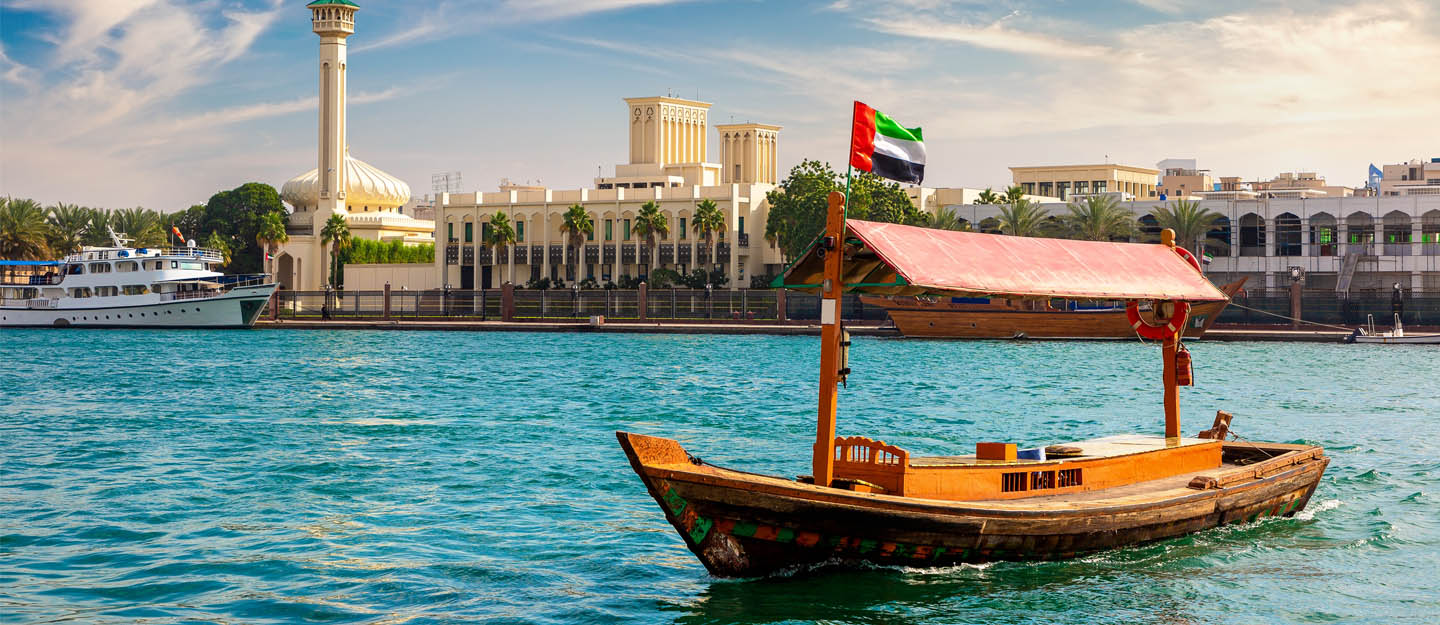
The Dubai Creek abra ride remains one of the most accessible traditional Emirati experiences in the city. You do not need a tour guide or a booking; simply walk to the creek, pay a few dirhams, and step aboard a wooden boat that has barely changed in decades.
Although the ride only lasts a few minutes, it captures centuries of trade and migration across Khor Dubai, the waterway that once served as the city’s economic lifeline. Locals still use it daily as public transport, so you cross the water alongside shop owners and commuters rather than only tourists.
Al Fahidi and the Sheikh Mohammed Centre
The Sheikh Mohammed Centre for Cultural Understanding (SMCCU) in Al Fahidi runs one of the most personal cultural programs in Dubai. Visitors share a traditional Emirati meal in a majlis setting while discussing local customs, religion, and daily life with a host.
Founded in 1998 under the motto “Open Doors, Open Minds,” the centre focuses on dialogue rather than passive sightseeing. Sessions run interactively, so therefore, booking ahead is recommended since space fills quickly. Meals and sessions typically cost between AED 125 and 180 per person.
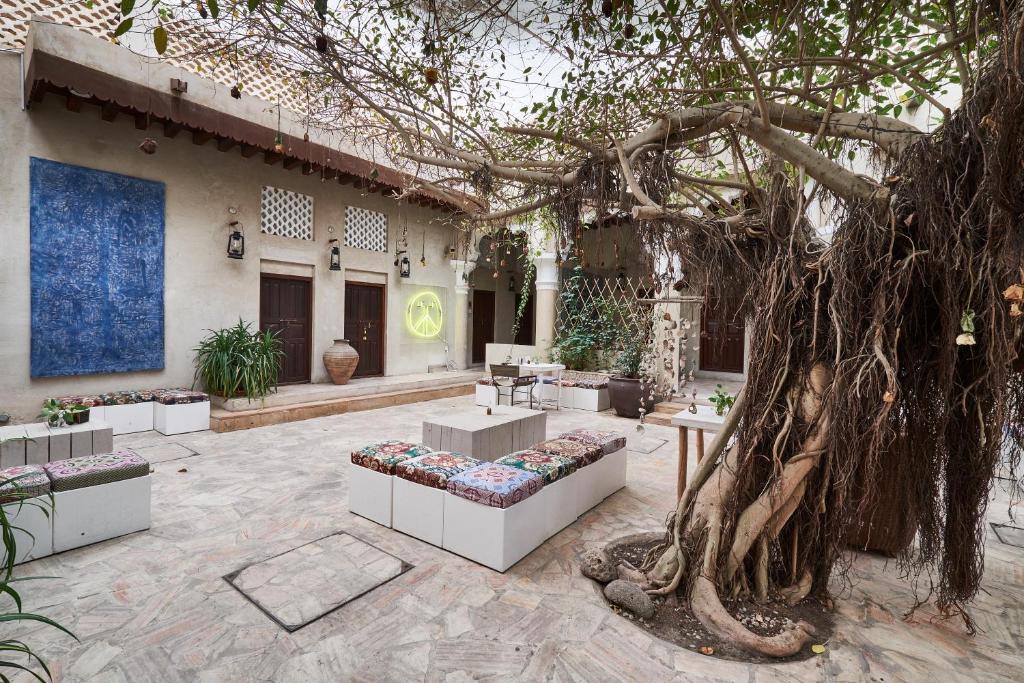
Nearby, Al Fahidi’s historic wind-tower neighbourhood offers narrow lanes, art galleries, and traditional architecture worth wandering through before or after your session.
Jumeirah Mosque Cultural Tours
Jumeirah Mosque, built in the traditional Fatimid architectural style, is one of the few mosques in Dubai that welcomes non-Muslim visitors through organised tours. Guides explain prayer practices, etiquette, and the building’s architectural significance in an approachable, judgment-free format.
Entry costs only AED 5 to 10, making it one of the most affordable cultural stops on this list. For best results, visit during the cooler morning hours and dress modestly, since guides will explain expectations before you enter.
Desert Camps and Bedouin Traditions
Desert experiences focused on Bedouin culture differ from typical dune-bashing tours by prioritising tradition over adrenaline. These eco-conscious safaris often include falconry displays, camel rides, and storytelling by the fire rather than just off-road driving.
Guests usually dine in Bedouin-style camps and take part in hands-on activities such as:
- Bread-making demonstrations over an open flame
- Henna art sessions with local artists
- Traditional tanoura and belly dance performances after sunset
Because these camps focus on cultural storytelling, they tend to feel more memorable than purely activity-driven desert tours. Many packages include hotel pickup, so logistics stay simple even for solo travellers.
Hatta Heritage Village
For a change of scenery, Hatta Heritage Village sits roughly 1.5 to 2 hours from central Dubai in the Hajar Mountains. Stone houses, watchtowers, and traditional falaj irrigation systems show how rural Emirati communities adapted to a mountainous environment.
Entry costs only AED 5 to 10, and visitors can watch traditional crafts demonstrated on-site. The surrounding landscape also makes this one of the more scenic day-trip options if you want a break from the city.
Comparison Table
| Experience | Location | Approx. Cost |
|---|
| Dubai Creek abra ride | Deira / Bur Dubai | A few dirhams |
| SMCCU cultural meal | Al Fahidi | AED 125–180 |
| Jumeirah Mosque tour | Jumeirah | AED 5–10 |
| Bedouin desert camp | Lahbab Desert | Varies by package |
| Hatta Heritage Village | Hatta | AED 5–10 |
Planning Your Cultural Day
Pair two or three of these experiences into a single day for the best balance of pace and depth. For example, start with a morning abra ride and Al Fahidi walk, then finish with a Jumeirah Mosque tour before lunch.
For a longer stay, check our Dubai blogs section for seasonal guides and neighbourhood breakdowns that pair well with cultural sightseeing. Booking platforms like Viator also list guided options if you prefer a structured itinerary.
Final Thoughts
The traditional Emirati experiences in Dubai covered here prove that the city’s heritage is still very much alive beneath its modern skyline. These stops offer real context, not just photo opportunities, for anyone curious about what shaped Dubai before the skyscrapers arrived.
Add even one or two of these to your next visit, and you will come away with a far richer understanding of the city.